Mohamed Mortadha Manai
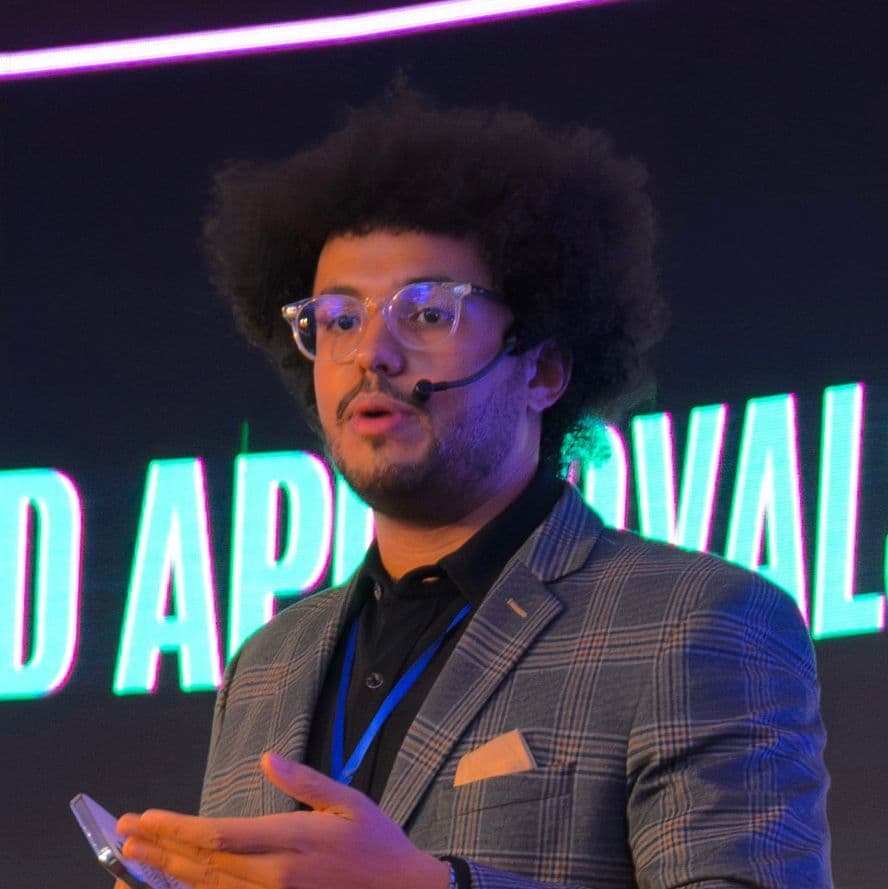
I'm Mohamed Mortadha Manai, a Generative AI Engineer at SFEIR Paris, Google Developer Expert (GDE) in Cloud AI, and a PhD Candidate specializing in Explainable AI (XAI). My work focuses on building production ready AI systems powered by Large Language Models (LLMs), Agentic AI, Generative AI, and Cloud AI, with an emphasis on scalability, trustworthiness, and responsible deployment.
Beyond engineering, I serve as an AI Expert Author at Packt Publishing, an AI Expert Consultant, and an AI international speaker (+100 talks around 20 countries), AWS community Builder sharing practical insights with developers, researchers, and organizations worldwide. Recognized as a LinkedIn Top AI Voice, I am passionate about democratizing AI knowledge, mentoring the next generation of AI engineers, and strengthening AI communities across MENA and the world through education, open collaboration, and real world innovation.
Sessions
Architecting Autonomous Run loops: State Machine Design and Execution Patterns with Gemini
While integrating Large Language Models (LLMs) into simple request-response flows is straightforward, building autonomous agents that can plan, execute tools, and solve complex problems remains a significant engineering hurdle. Unconstrained agent loops are inherently prone to unpredictability, infinite execution loops, and security vulnerabilities. To build reliable, production-grade agents, we must enforce structure on their autonomy.
In this technical session, we will explore how to model agent workflows as deterministic state machines using Google Gemini and Google Cloud. We will break down the architecture of the autonomous run loop (Perceive →→Plan →→Execute →→Observe) and examine how to utilize Gemini’s native structured outputs and function calling to drive reliable state transitions.
Attendees will learn how to design robust execution patterns, establish security boundaries to prevent prompt injections during tool execution, and manage persistent agent state over long-lived sessions. You will walk away with a practical architectural blueprint for balancing probabilistic AI reasoning with deterministic system reliability.
